

During the summer of last year, Shilo Nosyk was camping with loved ones in Alberta’s Elbow-Sheep Wildland Provincial Park when her son, who was 15 at the time, began experiencing a severe allergic reaction.
Ryker has a peanut allergy, and a peanut was accidentally included in one of the meal packs.
Shilo administered an antihistamine, utilized an EpiPen, and reached out for assistance via a satellite communication device.
Approximately one hour later, two specialists from Kananaskis Mountain Rescue, along with two paramedics, arrived at their location.
“Seeing the helicopter overhead brought an immense sense of relief,” remarked Nosyk, who has extensive experience camping in backcountry areas.
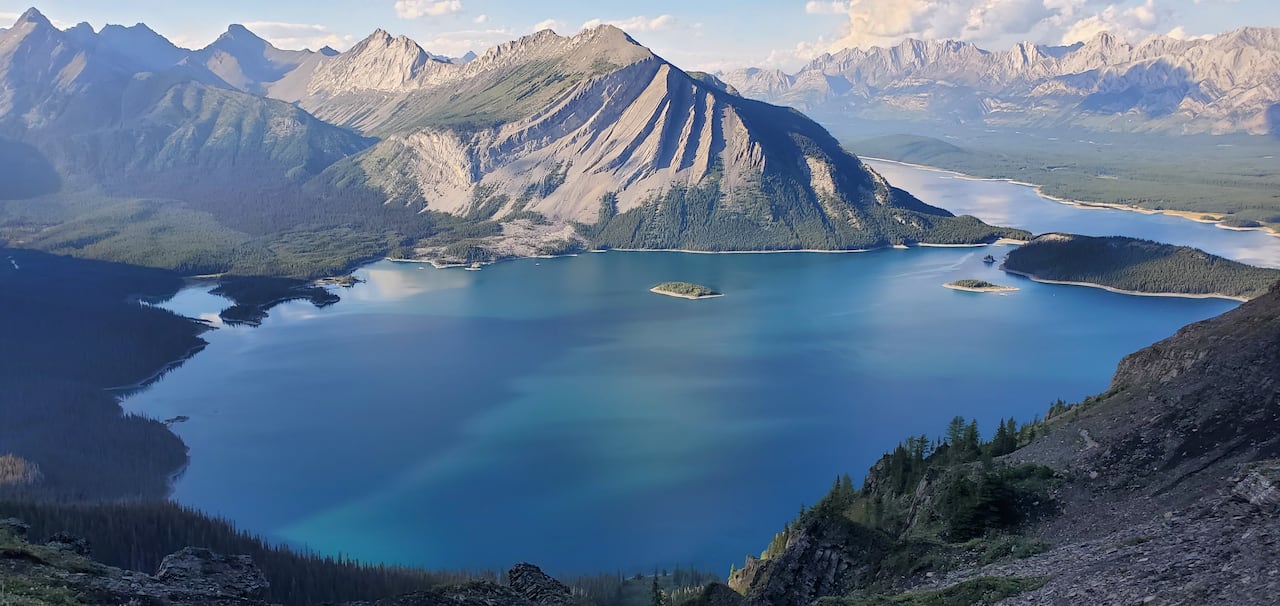
Upper Kananaskis Lake is shown in this photograph taken in 2024. Kananaskis Country has become a highly popular destination, attracting nearly five million visitors annually. (Greg Colgan/CBC)
For precautionary measures, Ryker was transported to Alberta Children’s Hospital and made a full recovery.
“You feel utterly powerless because you’re out in the wilderness; it’s my child, and the situation is life-threatening, relying heavily on them to assist you,” Nosyk expressed. “We were nine kilometers away from the parking lot, so there wasn’t much we could do.”
Their rescue was part of a record total of 445 incidents in Kananaskis Country last year, surpassing the previous record of 436 rescues in 2021 within this popular mountain park area located just 60 kilometers west of Calgary.
Kananaskis saw around five million visitors in 2025, a marked increase from 3.6 million in 2015.
“It’s akin to having more vehicles on the road; there tends to be a rise in accidents,” stated Mike Koppang, a mountain rescue specialist with the provincial government. “With more individuals present, there can occasionally be an increase in incidents.”
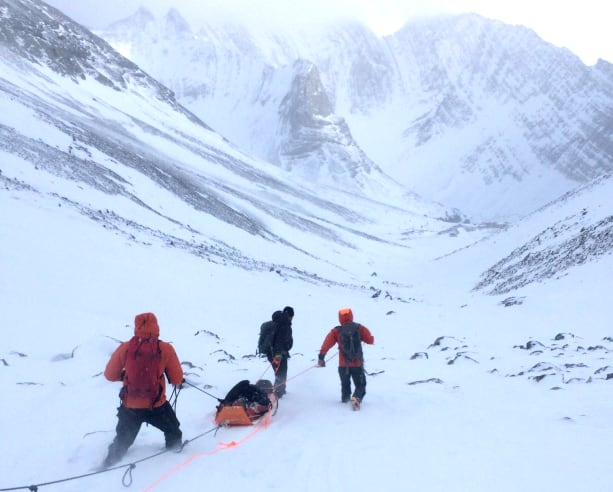
Kananaskis Mountain Rescue teams assist an injured skier following an avalanche in 2017. (Kananaskis Country Public Safety Section)
Growing visitor numbers lead to more rescues
Visitor numbers in the approximately 4,000 square kilometers of Kananaskis Country have continued to rise.
During the COVID-19 pandemic, the visitation peaked at 5.4 million in 2020. Since then, it has largely stabilized at around five million annually, surpassing the numbers recorded at nearby Banff National Park.
The provincial government aims to boost tourism in the area, with a target of achieving $25 billion in annual revenue by 2035.
-
What all-season resort designations will mean for visitors — and the environment — still unclear
-
Province eyes big tourism growth in Kananaskis Country — but that comes with challenges
Last summer marked the highest volume of rescue calls for Kananaskis Country.
A rescue is initiated when a 911 call requests assistance from Kananaskis Mountain Rescue. Koppang mentioned that the mountain rescue team comprises six specialists who collaborate with numerous park rangers and conservation officers in the region. Paramedics, police, firefighters, and other emergency responders may also be involved.
Koppang noted that calls often arise from individuals who are ill-prepared, underestimate the challenges of their hikes, or lack a clear understanding of their capabilities in certain terrains.
Trevor Julian, executive director of Friends of Kananaskis Country, pointed out that the area is home to hundreds of both official and unofficial trails that are among the most frequented routes, yet they are not officially designated.
In recent years, the province has improved several well-known trails, including Ha Ling, Prairie Mountain, and Powderface Creek.
The Canmore Area Trails Master Plan is currently underway, aiming to close many unofficial trails and focus on maintaining fewer, but well-kept, trails to enhance safety.
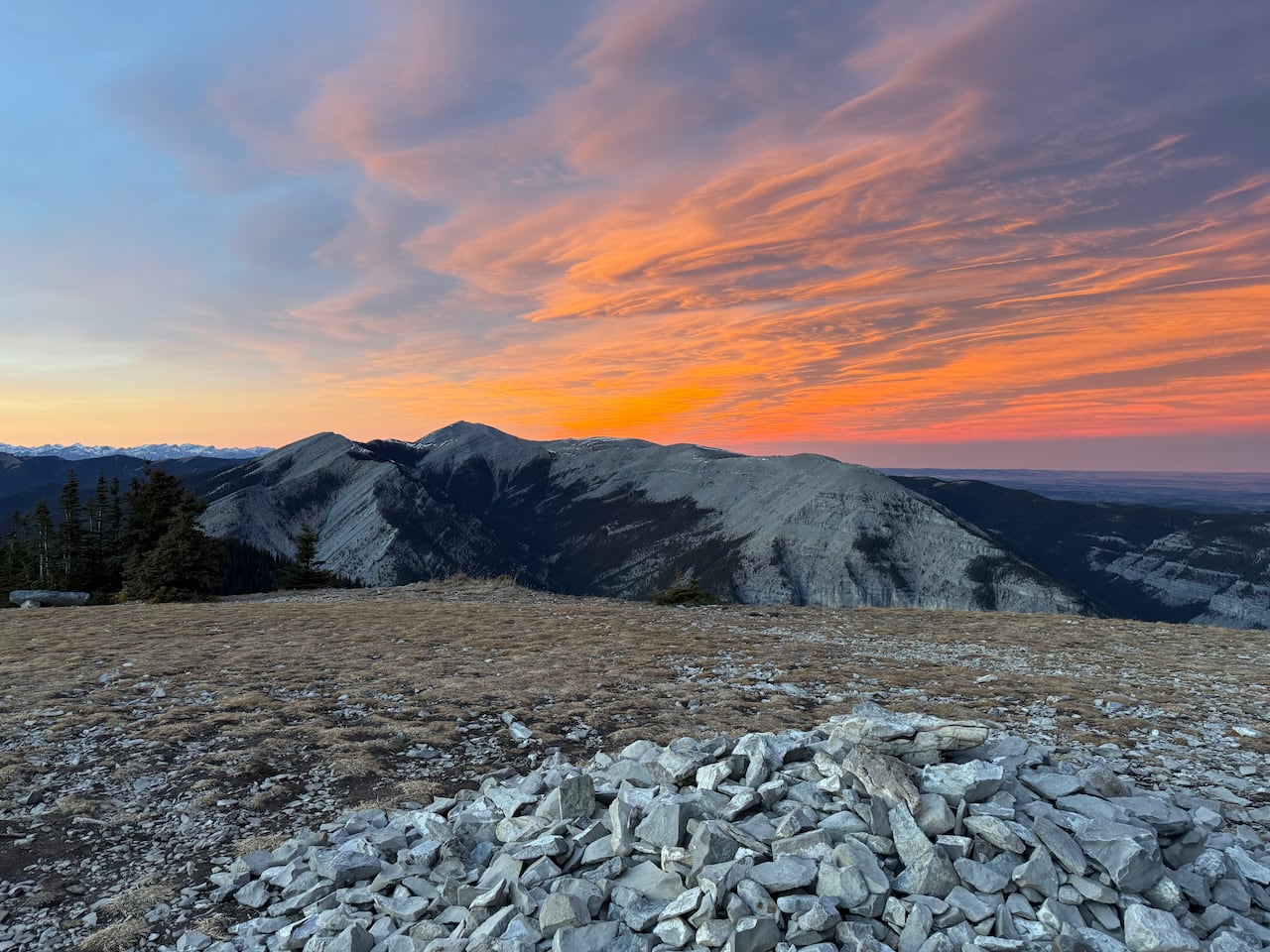
The view of Moose Mountain in Kananaskis Country from the peak of Prairie Mountain in 2025. (Greg Colgan/CBC)
Rise in rescue calls across other regions of Alberta
Kananaskis Mountain Rescue wasn’t the only emergency service experiencing a surge in activity.
Incidents reported by Search and Rescue Alberta agencies throughout the province increased from 465 in 2024 to 554 last year. These figures encompass search, rescue, recovery, and disaster responses.
There are a total of 32 teams in the province, comprising 1,243 active members.
-
Video shows ‘very fortunate’ skier escaping injury in avalanche near Lake Louise ski area
-
Paraglider dies in Alberta after crashing into mountain near Canmore
Brian Carriere, president of Search and Rescue Alberta, stated that the increase in rescue calls is due to a variety of factors, including population growth and more people engaging in outdoor activities.
He also noted that coordination among emergency services has improved significantly.
“We have come to realize that involving the entire range of responders early on enhances the likelihood of a successful outcome,” Carriere explained.
He highlighted that the “most effective program” has been preventative search and rescue through public education, which “empowers” outdoor enthusiasts to be better prepared.
More resources available for preparedness
Koppang remarked that an increasing number of individuals are attending safety courses, equipping themselves with the necessary gear, carrying satellite communication devices, checking weather and avalanche forecasts, and familiarizing themselves with trails prior to their visits.
“A significant aspect is learning how to navigate the mountains. One could spend a lifetime exploring here, encountering a different trail almost every day,” he stated.
The Ministry of Forestry and Parks’ annual report indicates that for the years 2023-24 and 2024-25, $1.5 million from the Kananaskis Conservation Pass will be allocated to mountain rescue and dispatch services.
Michael Plenits, press secretary for Forestry and Parks, along with communications director Victoria Person, did not provide information regarding the number of fatalities in Kananaskis in 2025. According to CBC News’ count, there were at least nine deaths last year from hiking, skiing, and drowning incidents.
In 2024, the annual report recorded 10 fatalities.

