


From her home in Fort McKay, Jean L’Hommecourt often observes a haze of thick dust looming over the Athabasca River banks. The sky takes on a dull brown hue as blowing grit fills the air. Situated in the heart of the oilsands, about 55 kilometers north of Fort McMurray, Alta., the community finds itself encircled by surface mines and industrial activity.
L’Hommecourt, a former environmental manager for the Fort McKay First Nation and a seasoned traditional land use researcher, describes the discolored northern sky as a common sight. “You can see it drifting up from the mines,” she notes. “The wind carries it relentlessly.”
Recent peer-reviewed findings, detailed in Atmospheric Pollution Research, reveal that Fort McKay is grappling with disproportionately high levels of dust pollution, often surpassing regulatory air quality standards. The research team, led by University of Toronto PhD candidate Kristin Iorio and independent Alberta researchers, highlights the community’s exposure to severe dustfall events driven by large dust particles that conventional monitoring methods fail to detect.
Iorio emphasizes that the majority of dust entering Fort McKay originates from overlooked large particles that evade Alberta’s ambient air quality directives. She warns that the lack of awareness regarding the true impact of dustfall pollution poses significant risks. “We are in the dark about this, and ignorance can be perilous,” she cautions.
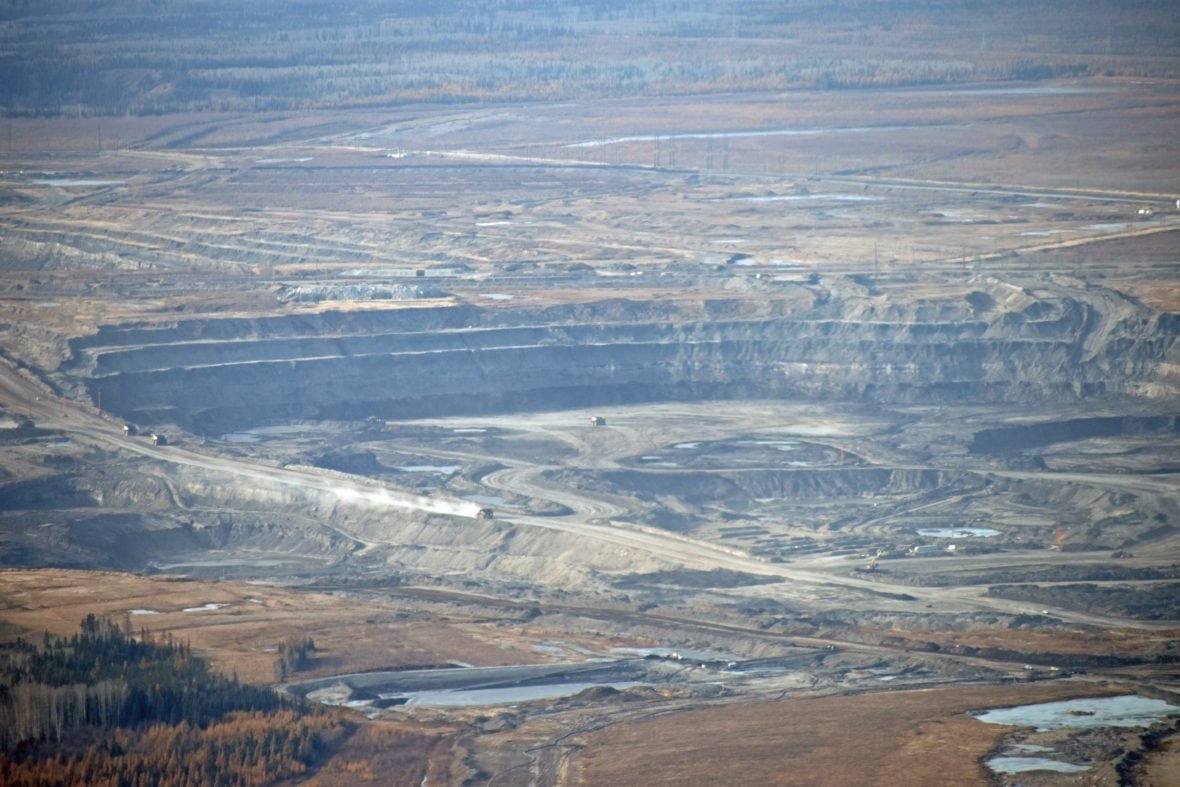
The study reveals that Fort McKay experiences higher monthly dustfall volumes compared to neighboring communities in the Wood Buffalo region. Over a 24-month sampling period, the community exceeded Alberta Ambient Air Quality Guidelines for dustfall 17 times monthly, with levels exceeding the acceptable threshold by nearly 20% of the time.
Dustfall Buckets and Ambient Sampling
Researchers evaluated dust exposure by analyzing data collected between late 2022 and mid-2025 by the Wood Buffalo Environmental Association and the Fort McKay Sustainability Department. Data collection involved the use of open plastic buckets to capture falling dust and ambient air quality tools such as optical air monitors and 24-hour Teflon filter samplers to gauge particulate matter pollution across the region.
Sampling was conducted in Fort McKay, Fort McMurray, Anzac, Janvier, and Conklin. Dustfall buckets were strategically placed in various sites across Fort McKay, including backyard fences and the local industrial park.
Among the studied locations, Fort McKay recorded the highest dustfall levels, approximately double the amount observed at the next-highest site in Conklin, over 150 kilometers south of Fort McMurray.
Iorio stresses that communities affected by larger particles are overlooked due to the absence of monitoring for these particles. She advocates for enhanced monitoring practices to address this gap.
The Regulatory Gap
While Alberta regulates and monitors PM2.5 levels, which represent fine particulate matter, the province lacks specific regulations for larger particles exceeding 10 micrometers (PM10). Coarse particulate matter, originating from industrial activities like mining and construction, poses health risks as they can lodge in the nose or throat.
Iorio points out various local sources contributing to coarser dust pollution in the oilsands region, emphasizing the urgent need for regulatory oversight. She calls for updated air quality thresholds to encompass larger particles and address the evolving challenges posed by expanding mining operations and climate change impacts.
The study authors recommend significant alterations in Alberta’s industrial dust management and monitoring approach to fill regulatory gaps. Iorio advocates for formalizing Alberta Ambient Air Quality Objectives to include PM10 contamination monitoring to capture intense, short-lived dust events.
In Fort McKay, she underscores the necessity for additional monitoring, combining continuous dustfall collection with real-time tracking to pinpoint dust sources and mitigate severe episodes.
‘A Mismatch’
Ke Du, a professor specializing in air quality research at the University of Calgary, aligns with the study’s call for expanded monitoring and revised ambient air guidelines. He emphasizes the need for continuous monitoring to address
