

Almost ten years after he was shot multiple times at the Islamic Cultural Centre in Quebec City’s Sainte-Foy area, Aymen Derbali is concentrating on the small victories in his life.
He is now able to move the fingers on his right hand, brew his own coffee, and is strong enough to handle his laptop.
Following the shooting on January 29, 2017, which left him paralyzed from the chest down and resulted in the deaths of six men while injuring 19 others, Derbali is on a path of recovery.
Sitting in his motorized wheelchair in his living room, he refers to these advancements as “little things,” yet they signify significant progress in his healing journey.
One of the bullets that hit him that fateful night remains embedded in his spine, deemed too perilous to extract. He considers himself fortunate to have survived.
Derbali was positioned near the mosque’s entrance when the gunman began shooting. In an effort to confront the assailant and disrupt his actions, he was struck by multiple bullets but still attempted to rise.
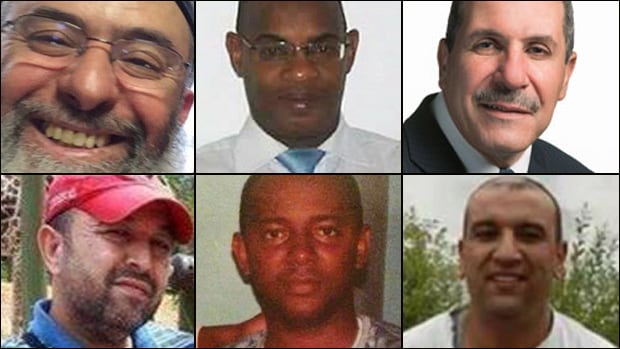
Victims from the Quebec mosque attack, arranged clockwise from the top left: Azzeddine Soufiane, Mamadou Tanou Barry, Khaled Belkacemi, Aboubaker Thabti, Ibrahima Barry, and Abdelkrim Hassane (CBC)
“I thought that this was the end,” he remembered.
“When I regained consciousness in the hospital… initially, I believed the hospital was a form of paradise.”
Now, nine years later, he is dedicated to his family, community, and advocacy work, particularly as he observes a rise in Islamophobia in the province following various legislative measures reinforcing secularism in Quebec.
“Combating Islamophobia is my responsibility,” he stated. “I must raise my voice.”
Survivor claims ‘Islamophobic laws’ are aimed at Muslims
In the aftermath of the attack, Derbali anticipated a decrease in Islamophobia and an increase in acceptance. However, as an advocate within his community, he has seen the opposite unfold.
He continues to come across hateful remarks online and misinformation being circulated.
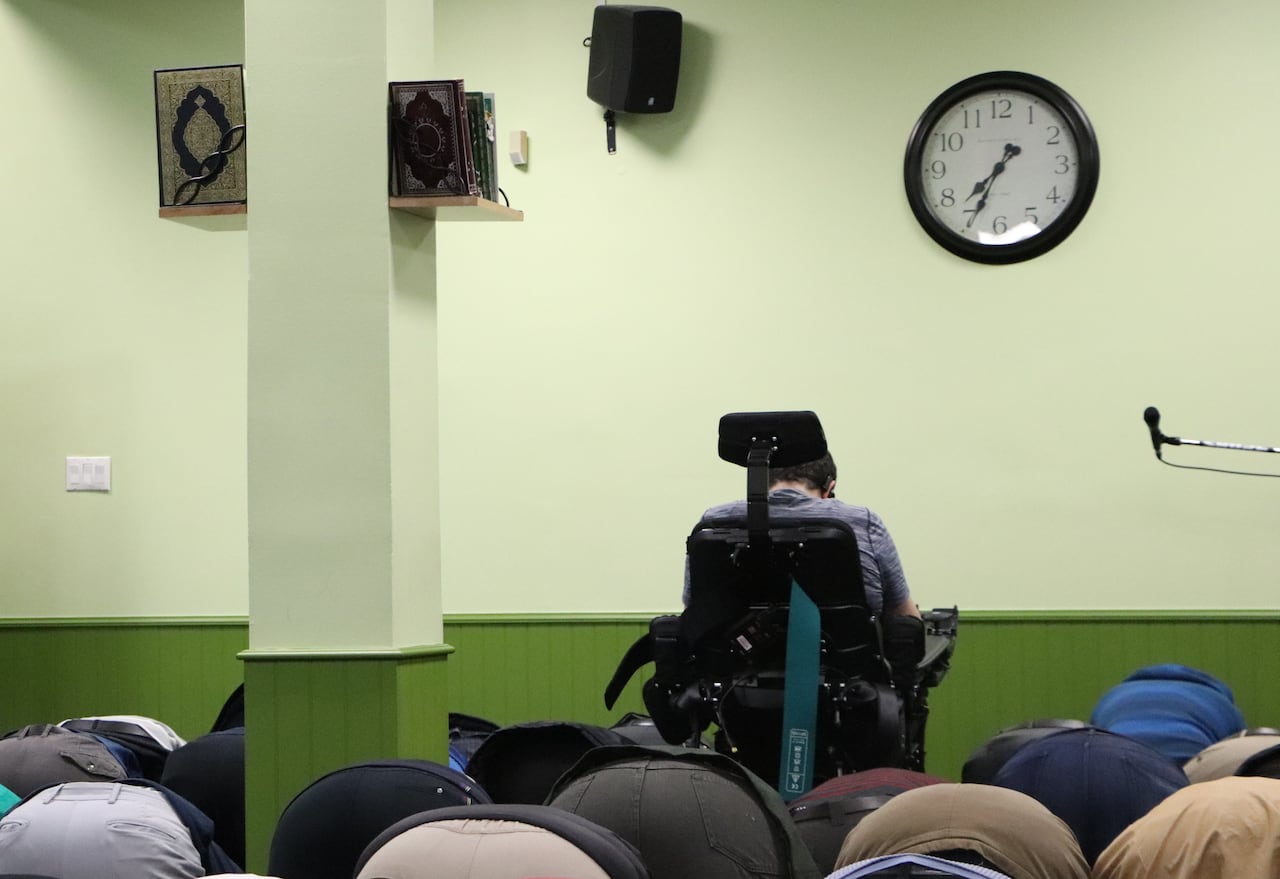
Aymen Derbali, shown in 2018, was seated at the front of the prayer room where he was shot nearly a year earlier. (Julia Page/CBC)
He asserts that the secularism laws enacted in Quebec in recent years by the Coalition Avenir Québec (CAQ) government hinder the efforts to promote understanding.
In November, the CAQ introduced another bill aimed at bolstering secularism.
Bill 9, titled An Act respecting the reinforcement of laicity in Quebec, aims to enhance two previous secularism laws passed under Premier François Legault.
This legislation would impose limitations on public prayers in parks and public institutions and broaden the ban on religious symbols to employees in subsidized daycares.
This is in addition to Bill 94, passed last year, which extended the province’s prohibition on religious symbols to anyone interacting with students in schools.
-
Muslim advocacy group criticizes Quebec secularism law before Commons committee
-
Following the religious symbols law, Quebec considers public prayer ban: The province’s direction on secularism
Bill 21, enacted in 2019, forbids public school educators, government attorneys, judges, and police officers from wearing religious symbols during work hours.
During a video address in 2019 addressing the backlash against Bill 21, Legault asserted that it was necessary to “establish clear rules” regarding religious symbols.
“Some may argue that we are overstepping boundaries, while others might say we aren’t doing enough. In truth, this bill is moderate, much like the people of Quebec,” he remarked at that time.
For Derbali, these are evidently “Islamophobic laws.”
He believes the repercussions of such legislation on his community are profound, affecting even the widows and children of the men who perished in the attack.
-
Quebec City mosque shooting survivor aims to fight hate
-
Video
After being shot seven times in the Quebec City mosque attack, survivor fights to reclaim his life
“I wonder what is so problematic about seeing women who wear veils? What is the issue? Where is our freedom?” Derbali questioned.
“All the freedoms… in Canada, we don’t experience them in Quebec. It feels as though we are living on an island.”
At the end of November, Jean-François Roberge, Quebec’s minister overseeing secularism, stated that when the state is neutral, “Quebecers are free.”
He also dismissed a reporter’s suggestion that Bill 9 unfairly targets religious minorities.
“We have identical rules for everyone,” he asserted.
“We remain hopeful”
Mohamed Labidi, president of the Islamic centre, mentioned that these laws are prompting some community members to leave the province.
As more restrictions affect religious groups, it “encourages individuals with xenophobic tendencies to escalate their actions,” he commented.
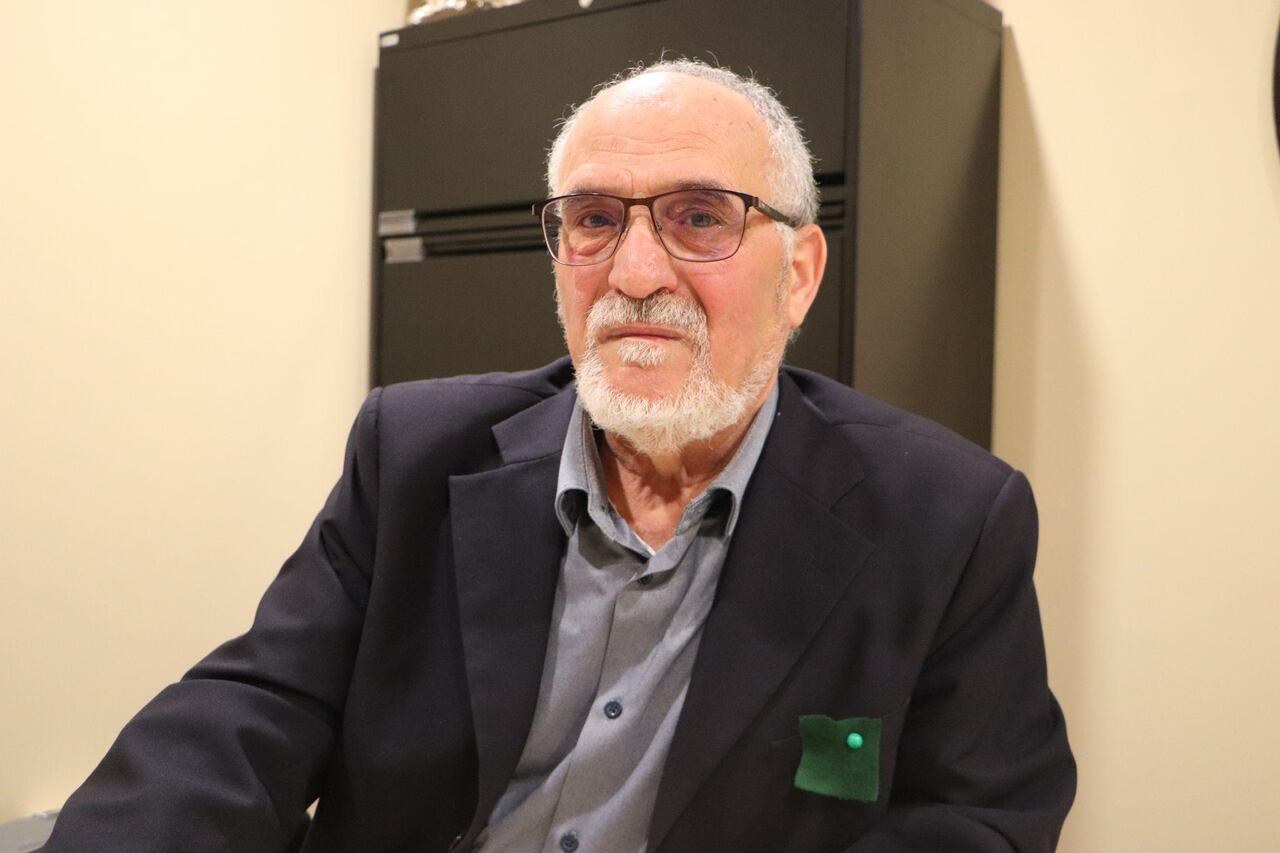
Mohamed Labidi, shown during the eighth commemoration of the attack, remarked that harmful stereotypes can hinder progress. (Rachel Watts/CBC)
“These laws that promote xenophobia or racism pose a risk of things spiraling out of control at any moment,” Labidi stated during a press conference in Quebec City on Wednesday.
-
‘I lost their smiles’: Quebec City Muslim community counters hate 8 years after deadly mosque attack
With each passing anniversary, the attack’s survivors reaffirm their call for connection, empathy, and acceptance in the fight against Islamophobia — and this year is no exception.
For the first time, Quebec City is involved in organizing the commemorative events.
The ninth commemoration is scheduled to take place at the city’s building, Édifice Andrée-P.-Boucher, beginning at 5 p.m. on Thursday. The event will be dedicated to the victims’ loved ones, with dignitaries expected to attend.
A vigil will also be hosted in Montreal at 4:30 p.m. at the Parc Metro station as part of Muslim Awareness Week, an initiative launched in response to the attack.
Samira Laouni, a co-founder of Muslim Awareness Week, explained that the annual vigil pays tribute to the victims and the injured while standing against Islamophobia.
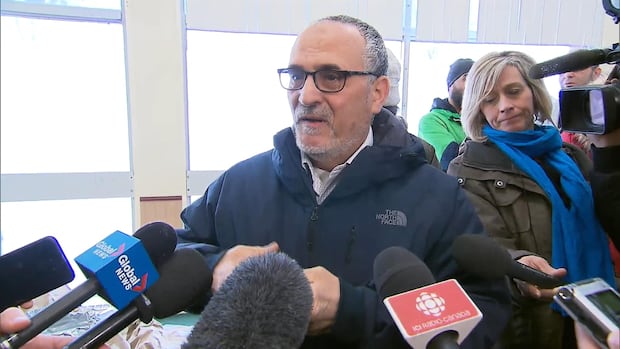
Mohamed Labidi recounts Azzedine Soufiane’s brave attempt to confront the shooter at the Quebec City mosque.
On Friday, the Quebec City mosque will welcome the community and offer sessions and discussions aimed at promoting unity.
“These occasions are extremely significant,” remarked Nizar Ghali, who was shot twice during the attack.
“It’s crucial that we utilize these moments to collaborate, coexist, and engage in dialogue. We are opening our doors.”
He expressed that while he is not opposed to the concept of secularism, he disagrees with how it has been defined, presented, and promoted in Quebec.
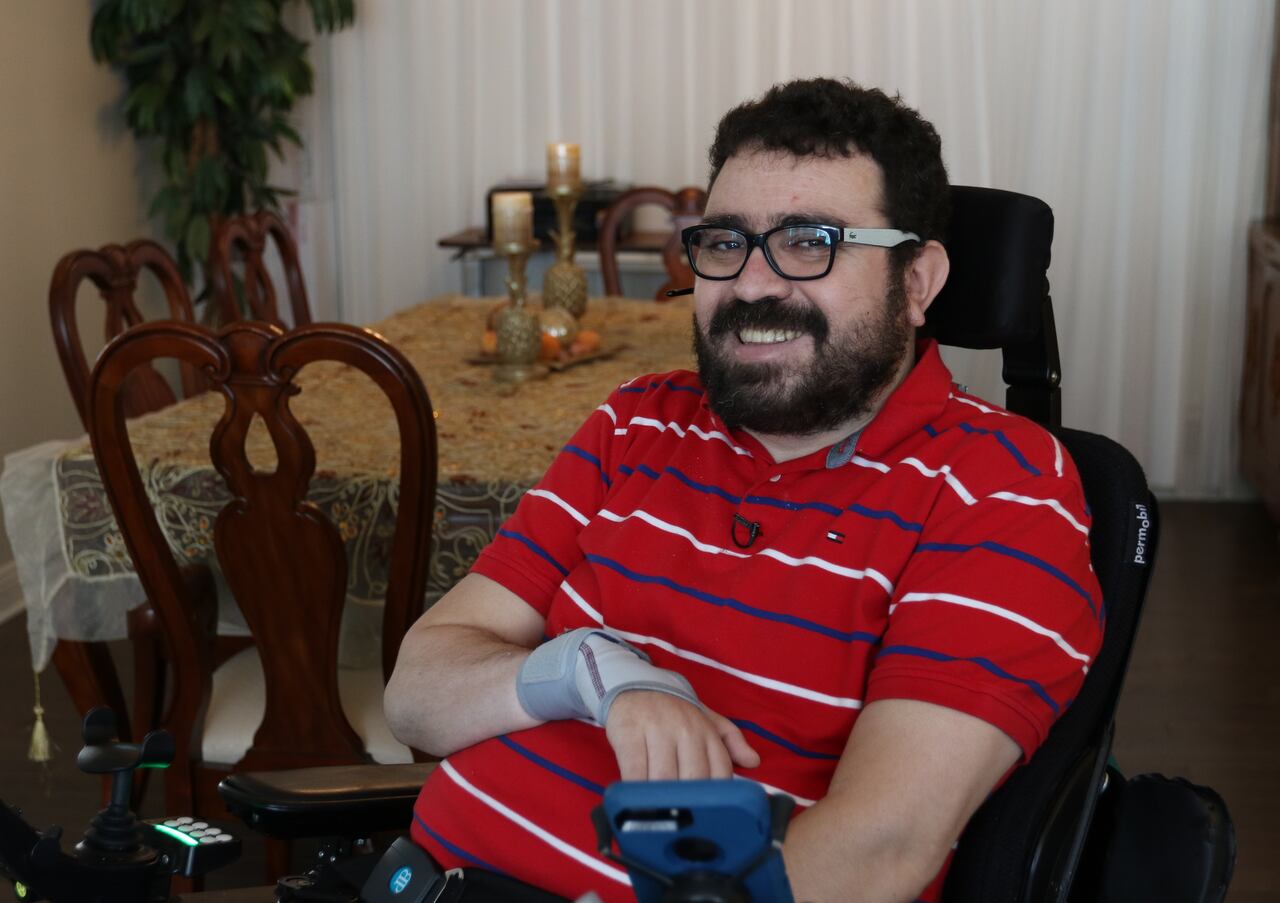
Aymen Derbali, shown in 2019, maintains a hopeful outlook. (Julia Page/CBC)
Derbali believes that a change in the government’s stance is not sufficient; it must encompass all Quebecers, he argues. This is why he remains active, speaking at schools throughout the province.
“We are all human beings, and if we fail to care for one another, we lose our humanity,” he stated.
“These laws do not aid in combating Islamophobia, yet we do not lose hope. We persevere.”

