

During a visit to the Thunder Bay District Jail last month, Sol Mamakwa observed beds cramped against toilets in the overcrowded cells.
The MPP for Kiiwetinoong expressed his shock after discovering that this facility, celebrating its centenary this year, will remain operational. “I was appalled,” he stated.
It was previously believed that with the opening of the new Thunder Bay Correctional Complex this November, both the Thunder Bay District Jail and the Thunder Bay Correctional Centre would be closed.
However, correctional staff were informed last week that the current facilities will still be in use, as the province seeks solutions for overcrowding in the city’s correctional system.
The new $1.2 billion Correctional Complex, situated along Highway 61, will feature 345 beds.
According to a representative from Ontario’s Ministry of the Solicitor General, the district jail has a capacity of 149 beds, while the correctional centre accommodates 203 beds, as reported to CBC News on Wednesday.
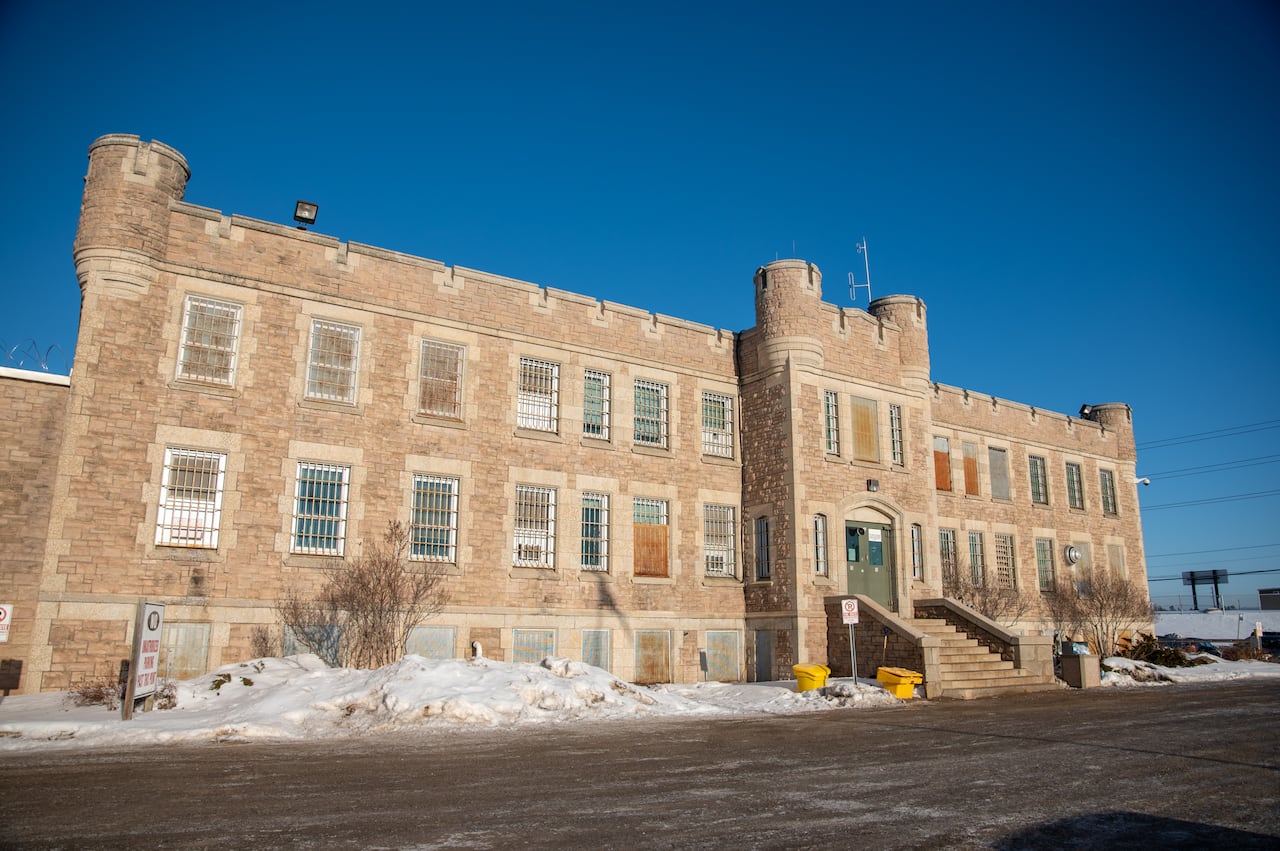
The Thunder Bay District Jail, built in 1926 and opened in 1928. The Thunder Bay Correctional Centre commenced operations in 1965, but the original structure, which functioned as a prison farm, began in 1911. (Marc Doucette/CBC)
Anthony Rojik, president of OPSEU Local 737, which represents employees at the district jail, stated that the decision to maintain the existing facilities is “a step in the right direction” for tackling capacity challenges.
On the other hand, Shawn Bradshaw, president of OPSEU Local 708, representing the correctional centre, raised concerns about ensuring adequate staffing across all three facilities.
The jails in Northern Ontario are among the most overcrowded in the province. From January to June 2025, the average occupancy rates were 120 percent at the Thunder Bay District Jail and 107 percent at the Thunder Bay Correctional Centre.
Sol Mamakwa believes that while he acknowledges the pressures of overcrowding on both staff and inmates, “having more jail cells is not the solution.”

Kevin Mamakwa passed away in custody at the Thunder Bay Jail on June 2, 2020, at the age of 27. His uncle, Kiiwetinoong MPP Sol Mamakwa, shared that Kevin was actively engaged in sports but faced challenges with mental health and addiction. (Submitted by Sol Mamakwa)
His nephew, Kevin Mamakwa, tragically died in custody at the Thunder Bay District Jail on June 2, 2020. Following this incident, Sol Mamakwa demanded the jail’s closure, citing what he referred to as appalling conditions that he claims have not improved.
An inquest into Kevin Mamakwa’s death, initially set for this week in Thunder Bay, has been delayed until spring due to the unexpected passing of Kevin Mamakwa’s partner over the weekend.
“It was care that [Kevin] required — mental health, addictions, and related issues, correct?” Sol Mamakwa stated.
“Simply increasing the number of jail cells won’t solve the problem,” he added. “We need a system focused on needs, whether it’s addiction treatment, mental health support, or comprehensive services to ensure that [inmates] receive the assistance they need.”
Saddam Khussain, senior issues adviser and press secretary for the ministry of the solicitor general, sent an emailed statement to CBC News on Tuesday.
-
Inquest in Thunder Bay for nephew of MPP Sol Mamakwa postponed after late First Nation man’s partner dies
-
Thunder Bay jail and correctional centre to remain in use after new correctional complex opens, says union
“The ministry intends for the Thunder Bay Jail and Thunder Bay Correctional Centre to keep operating after the new correctional complex is established,” Khussain mentioned.
“The ministry is evaluating strategies to best integrate the existing facilities with the new complex, including necessary upgrades and repairs at both locations.”
‘Inhumane living conditions’
For years, advocates in northwestern Ontario have condemned the conditions within Thunder Bay’s correctional facilities, especially at the district jail.
Lindsay Martin, executive director of the Elizabeth Fry Society of Northwestern Ontario, an organization that assists women and gender-diverse individuals involved in the criminal justice system, highlighted numerous issues within the district jail and correctional centre that jeopardize health.

According to Martin, the district jail and correctional centre face numerous ventilation risks and inhumane living conditions, particularly in the older facilities, which feature smaller cells and limited access to natural light.
“There are significant sanitation deficiencies and privacy issues occurring at both the Thunder Bay District Jail and the Thunder Bay Correctional Centre — confining individuals in these outdated environments is cruel and degrades their dignity, undermining legal justice and human rights standards,” they stated.
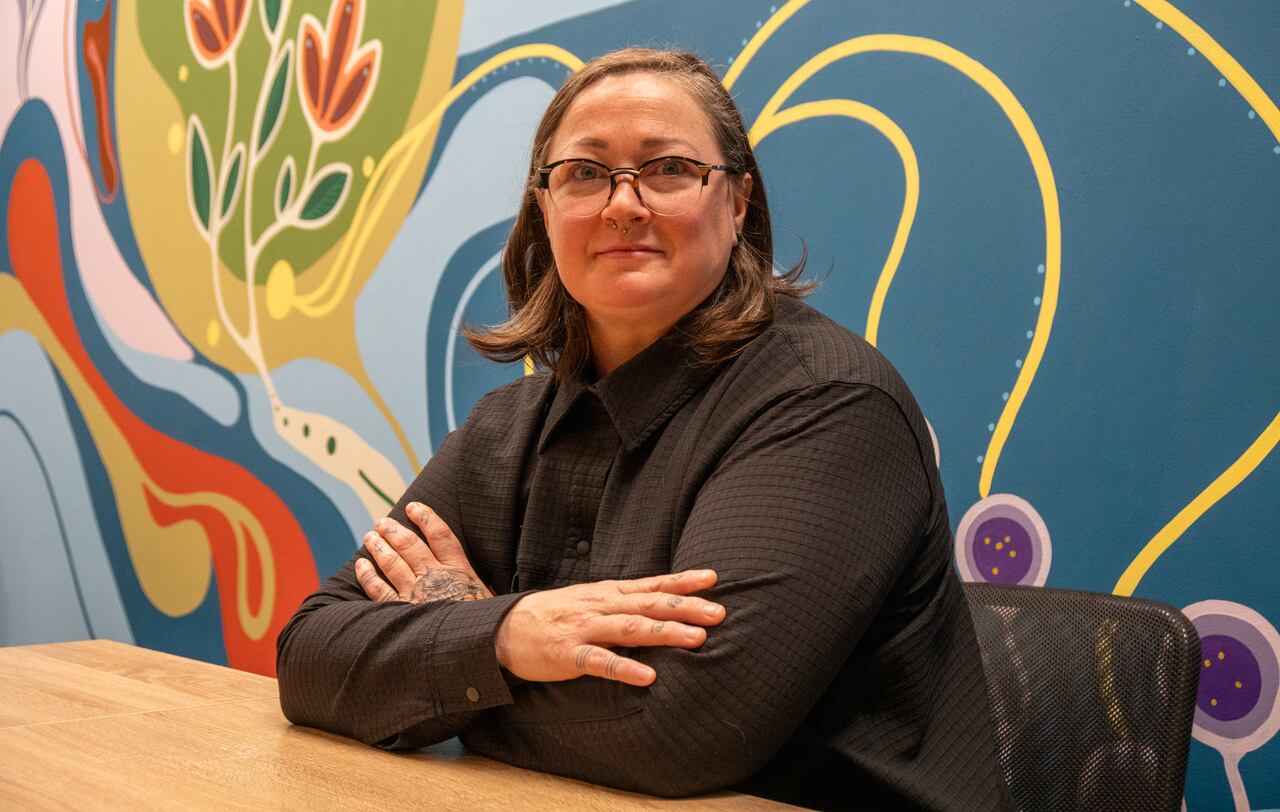
Lindsay Martin, executive director of the Elizabeth Fry Society of Northwestern Ontario, argues that if individuals’ needs cannot be adequately met in provincial jails, they should not be incarcerated. (Sarah Law/CBC)
Martin also raised questions regarding the financial rationale for continuing the operation of these aging facilities, pondering the costs associated with upgrades and maintenance.
“The funds allocated for these older facilities could be redirected towards community support and resources for a long-term solution,” they commented.
Over-representation of Indigenous inmates
Sol Mamakwa emphasized the importance of recognizing the over-representation of Indigenous individuals in correctional institutions, particularly as Thunder Bay serves as a hub for numerous surrounding First Nations.
He advocates for the introduction of more Native Inmate Liaison Officers (NILOs) to provide cultural support, including smudging and pipe ceremonies, as well as staff trained in mental health and addiction services.
As of December, a representative from the ministry of the solicitor general reported that there were two NILOs at the district jail.
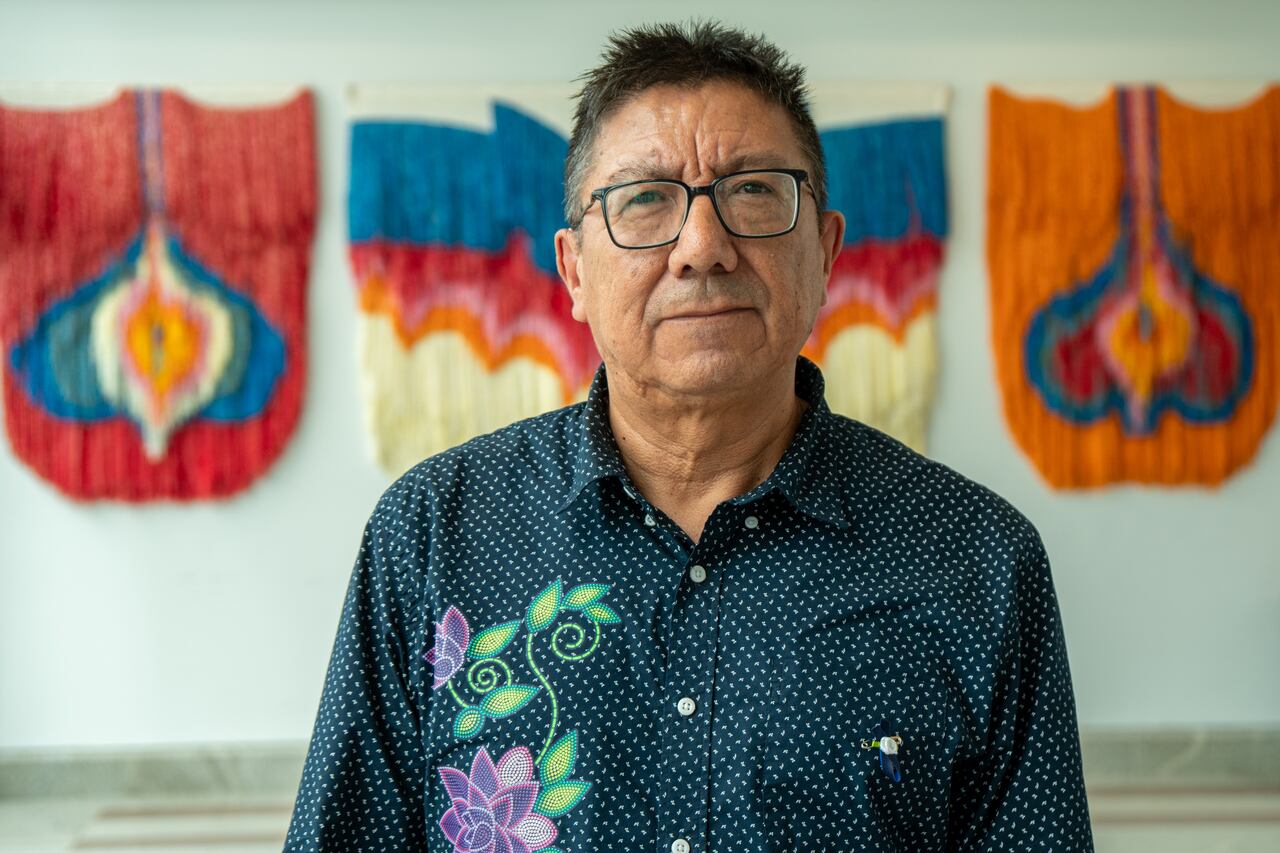
Alvin Fiddler is Grand Chief of Nishnawbe Aski Nation, a political-territorial organization that represents 49 First Nations across Treaties 9 and 5. (Sarah Law/CBC)
Alvin Fiddler, Grand Chief of Nishnawbe Aski Nation (NAN), which represents 49 First Nations across Treaties 9 and 5, expressed concern over the significant number of Indigenous inmates in northwestern Ontario.
“The entire justice system requires transformation,” Fiddler stated. “It is excessively punitive and lacks any restorative elements.”
He referenced the death of Woodlands artist Moses Amik Beaver at the Thunder Bay District Jail in 2017, as well as Kevin Mamakwa’s passing in 2020, emphasizing the necessity to “increase treatment beds, not jail beds.”
-
Northern Ontario jail staff raise alarms over pay gaps, contract hiring and mental health
-
Northern Ontario jails among the most overcrowded in the province, new data shows
Access to justice remains a significant hurdle, he noted, as many First Nations depend on fly-in courts held in temporary community venues. He believes this factor contributes to the elevated number of Indigenous individuals in correctional facilities.
“Proceedings are often rushed, resulting in many pleading guilty simply to expedite the process,” he remarked.
“There are numerous serious and broader issues that require attention in this dialogue.”
In conclusion, Sol Mamakwa stated that “regardless of who they are, they are people first,” referring to the inmates in Thunder Bay. “We need to treat them as individuals first.”

