


Prepare for a new wave: Willy is about to take the spotlight once again. The classic movie Free Willy is set for a revival in Hollywood, joining the ongoing trend of reboots, as revealed in an announcement made recently.
Warner Bros. and AGBO, the production company owned by the Russo brothers, are collaborating on this project, with many specifics still undecided, including the casting of the main character, Willy the whale.
Originally released in 1993, Free Willy tells the story of a young orphan who befriends a captive orca at a marine park and helps it escape. The emotional impact of the film has stayed with many viewers over the years.
The movie, featuring the real orca Keiko, shed light on the captivity industry, according to Camille Labchuk, the executive director of Animal Justice in Canada.
The Legacy of Keiko
Labchuk explains how the film inspired a generation of kids in the ’90s to advocate for animal welfare.
The movie forced people to confront the harsh reality of keeping aquatic creatures like orcas, belugas, and dolphins in confinement at places such as SeaWorld and Marineland for extended periods.
The original film’s impact is closely linked to the real-life drama surrounding its star, Keiko.
Following the success of the film, a massive campaign was launched to free Keiko from captivity in Mexico.
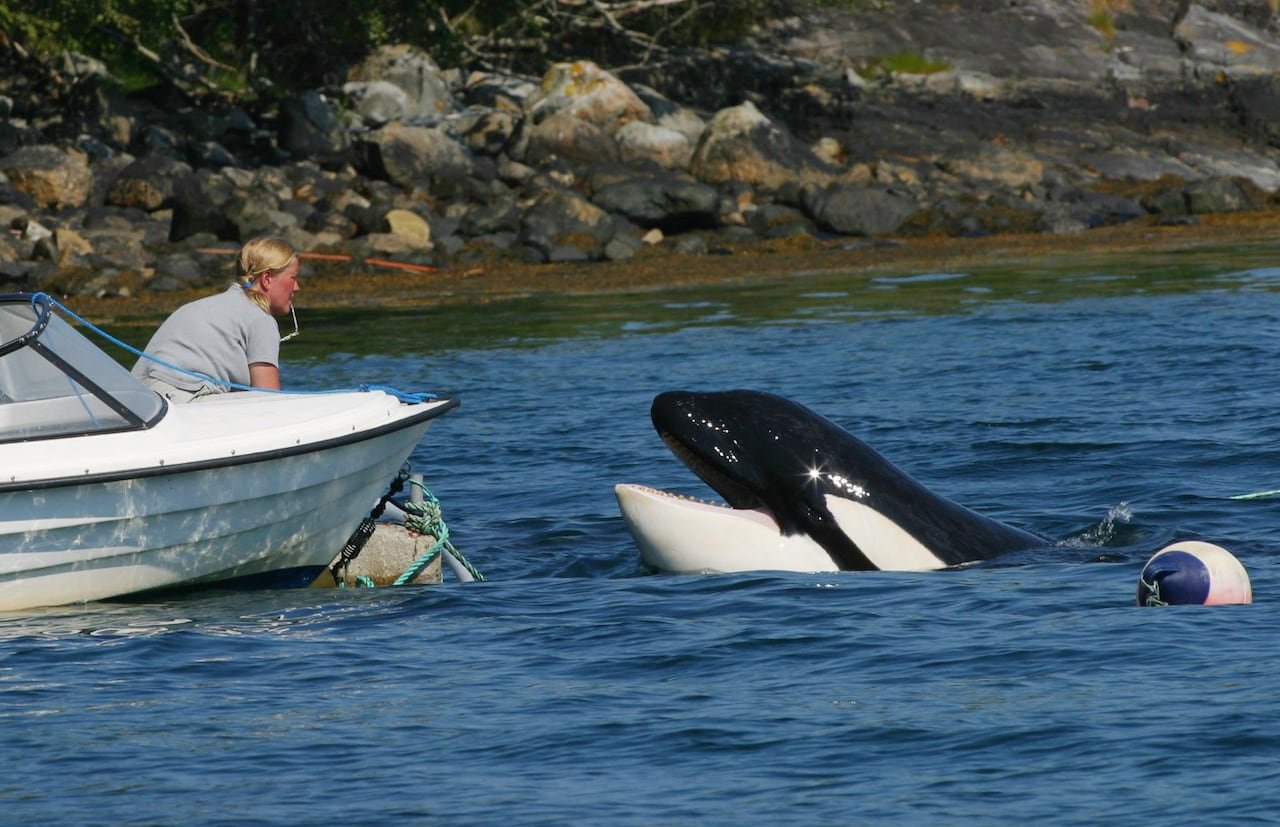
Keiko became the first captive whale to receive a sanctuary program. He was eventually relocated to a netted-off cove in Iceland before being released into the open sea, where he swam to Norway. Unfortunately, Keiko passed away in 2003 due to pneumonia, remaining the only captive orca successfully reintroduced into the wild.
Labchuk notes that despite the efforts, Keiko’s story ended tragically. Due to being taken into captivity as a young whale, he struggled to fully integrate with a wild pod. This outcome reshaped public perceptions of captivity and makes the likelihood of a real whale in the new film highly improbable.
A Real Whale in the Reboot?
VFX experts like Mark Hammond, a VFX supervisor at the Toronto-based studio Mr. X, believe that using a live whale is unfeasible due to legal changes and advancements in technology since the original film.
In 2015, Ontario prohibited the future captivity of orcas following reports of animal mistreatment at Marineland, where the last captive orca in Canada passed away in 2023 after years of confinement.
Canada implemented a law in 2019 banning all whale and dolphin captivity and breeding, with similar regulations tightening in the U.S. California enacted the Orca Protection Act in 2016 after public outcry sparked by the documentary Blackfish, exposing the harmful effects of captivity on orcas.
Hammond, known for his work on various projects, suggests that using CGI for Willy could revolutionize the film’s production by offering more creative control. Digital effects can provide the desired performances without being limited by a live animal’s behavior.
He envisions technology aiding in telling a more authentic story, especially highlighting the harsh treatment of Willy in captivity, which could be portrayed more effectively through VFX and CGI.
Original Fans Criticize the Reboot
Die-hard fans of the original film are expressing disappointment online, arguing that the classic should be left untouched and not subjected to a reboot.
Some online users question the lack of originality in Hollywood and the incessant recycling of old ideas, indicating a sentiment against the new reboot.
Despite the mixed reactions, Labchuk remains optimistic about the remake and anticipates that it will ignite global discussions on the ethics of marine animal captivity, emphasizing the influential role of films like Free Willy and Blackfish in shaping public opinion and legislative decisions.</p
