

According to a team of researchers from Canada, children encounter five significant risk factors during early development that may lead to food allergies. This conclusion comes from an extensive review of studies involving 2.8 million participants across 40 countries, marking one of the largest analyses of its type.
The identified risk factors include infant eczema—a condition characterized by dry, red, and itchy skin—a family history of food allergies, the late introduction of foods like peanuts or fish after 12 months, and parental migration, as detailed in a meta-analysis published in the latest issue of JAMA Pediatrics.
The prevalence of food allergies is on the rise globally and can lead to severe anaphylactic reactions. However, determining who is at risk remains a complex challenge. The researchers behind this review believe that their findings could pave the way for new strategies to prevent food allergies.
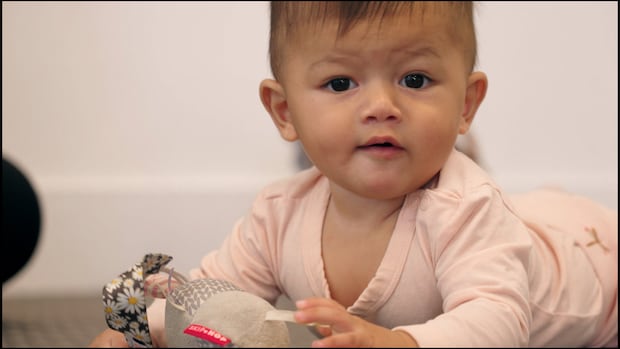
New research out of the United States suggests that introducing peanuts to infants as young as four months old has helped to reduce the rate of peanut allergies in children by as much as 40 per cent.
Dr. Derek Chu, the principal author of the study and an assistant professor at McMaster University, treats patients with food allergies daily. He mentions that one common question he receives from parents is whether they made any mistakes. The review’s findings offer a reassuring response, he explains.
“Most … food allergy is not caused by just one factor,” Chu stated, referring to it as a perfect storm. “There’s no significant action taken by mom or dad that has a major impact on risk.”
Introduce peanut products early
In their review, Chu’s team analyzed 190 studies to pinpoint the most significant and credible risk factors associated with food allergies, as well as those of lesser influence.
“We now have a comprehensive understanding of what contributes to food allergies, which naturally guides us toward potential prevention methods,” he stated.
The five primary risk factors identified by the researchers are:
- Allergic dermatitis, commonly known as eczema.
- Other allergic conditions in early childhood, such as allergic rhinitis or hay fever.
- A family background of food allergies or other allergic disorders.
- Early instances of dry skin.
- Delayed introduction of food allergens.
In Canada and the U.S., parents and caregivers are advised to introduce babies to non-choking forms of common allergens like peanuts around six months of age. This recommendation stems from a 2015 randomized trial that demonstrated a significant reduction in the risk of high-risk infants developing allergies to peanuts by age five.
For infants who tolerate allergenic foods, current Canadian guidelines also emphasize the importance of continuing to offer these foods several times a week.
The same approach applies to other commonly allergenic foods such as fish, eggs, and fruit.
Eczema as a risk factor
The researchers also found that delaying the introduction of allergenic foods, along with early instances of atopic dermatitis or eczema, is another significant risk factor for developing food allergies.
“It is crucial to address early atopic dermatitis and eczema promptly,” Chu advised.
Dr. Christine McCusker, a pediatric allergist and immunologist at the Montreal Children’s Hospital, who was not part of the study, affirmed that these findings reinforce key concepts regarding food allergies.
Winter can be challenging for those with eczema, causing skin flaking, discoloration, and discomfort. Dr. Shazma Mithani shares tips for managing symptoms and maintaining healthy skin during cold, dry months.
For children with a family history of allergies, applying creams may help reduce the risk of developing food allergies, McCusker noted.
“Emphasizing good skin care in very young infants and children is essential. Sometimes, this can be as straightforward as using emollient therapies and/or avoiding soaps in the bath,” she added.
Emollients are designed to be applied to the skin to provide soothing and hydration. When necessary, eczema can be managed with various medications, she explained.
The research also pointed out that antibiotic use during the first month of life is a significant risk factor. However, Chu emphasized that antibiotics are crucial for treating severe infections in infants.
Chu suggested that early antibiotic use might disrupt the body’s microbiome—the collection of bacteria residing in and on our bodies—potentially contributing to food allergies, although further investigation is required on this matter.
-
I survived a severe allergic reaction. The fear that followed was worse
-
Guidance to feed babies peanuts helped tens of thousands of kids avoid allergies, study finds
The review concluded that other early life factors, such as low birth weight, post-term birth, partial breastfeeding, maternal diet, and stress during pregnancy, were not statistically linked to an increased risk of developing food allergies.
Further trials required, say researchers
The researchers admitted that additional rigorous randomized trials, which are more time-consuming and expensive than observational studies, are necessary to clarify any cause-and-effect relationships.
Although they meticulously sifted through a vast number of studies and analyzed them collectively, McCusker pointed out that the challenge lies in the variability of the studies, as they were conducted in different nations.
As Lucille Friesen, 17, from Anvil Island, B.C., shared in a CBC First Person article, she was diagnosed with anaphylactic peanut allergy at the age of two, shortly followed by allergies to tree nuts and soy. After experiencing a reaction that required hospitalization, her anxiety about her allergies made her extra vigilant about checking food ingredients.
Friesen’s mother indicated that her eldest daughter had eczema as an infant, presenting a case of someone who was introduced to allergenic foods later than current guidelines recommend.
Friesen expressed, “I can’t change the scientific context of when I was a baby,” regarding the understanding of allergies at that time.
“I’m just grateful that the knowledge has advanced to a point where it can benefit others. Perhaps they can enjoy a better quality of life.”

